Comfort Without Waste: Smart Portions and Mindful Meal Plans

Today we dive into smart portioning and meal planning for waste‑conscious comfort food—practical, satisfying routines that keep plates cozy, wallets happy, and scraps minimal. Expect easy systems, flexible recipes, and community tips you can start tonight. Share your favorites and subscribe for weekly planning prompts.

Right-Sized Serving Strategies That Still Feel Indulgent

Learn to serve satisfying bowls of mac, stews, and casseroles without slipping into habitual excess. We explore visual cues, hand measurements, and plate geometry that protect comfort while respecting appetite, ingredients, and future meals. Comment with your portion wins, slipups, and questions to help others learn alongside you.

Planning Cozy Menus That Respect Ingredients and Time

Build weekly plans around what you already own, what needs using soon, and what brings comfort on busy nights. A little structure protects fresh herbs, dairy, and greens from neglect while guaranteeing soul‑warming results. Share your pantry photos or swaps, and we will help convert them into nourishing favorites.

Inventory‑First Meal Mapping

Begin at the fridge and pantry, listing perishables with short runway, then match them to adaptable comfort dishes like risotto, shepherd’s pie, or creamy soups. Prioritize earliest use dates, rotate older staples forward, and assign meals by perishability. This simple ritual prevents forgotten produce and honors your grocery budget.

Modular Batch‑Cooking for Mix‑and‑Match Comfort

Cook base components—roasted vegetables, braised beans, seasoned ground turkey, brown rice—then remix across multiple cozy plates. Think baked potato bars, hearty bowls, or skillet melts. Modularity keeps menus interesting, portions predictable, and leftovers purposeful. Share your favorite modular combos so others can enjoy creative, low‑waste comfort all week.

A Calendar That Protects Freshness

Plan quick, perishable‑heavy dishes early in the week and sturdier comfort meals later. Slot a midweek prep session to refresh greens, portion snacks, and freeze surplus. Add a floating meal for takeout or leftovers. Flexible schedules preserve ingredients, reduce stress, and maintain the soothing rhythm that comfort cooking promises.

Shopping and Storage Tactics That Prevent Waste

Translate plans to precise quantities, choose versatile items, and store them smartly. A focused list pairs with labeling, staging zones, and freezing strategies so comfort food stays delicious rather than forgotten. Tell us what spoils most at home, and we will suggest storage tweaks, substitutes, and better quantities immediately.

Flavorful Comfort with a Lighter Footprint
Building Deep Flavor from Scraps and Staples

Collect onion skins, herb stems, mushroom ends, and parmesan rinds for freezer stock bags. Simmer into a concentrated broth that powers gravies, risottos, and sauces. Add anchovy paste, miso, or soy for gentle depth. This practice honors ingredients, reduces waste, and grants comfort meals signature, restaurant‑level savoriness at home.

Texture and Body Without Excess

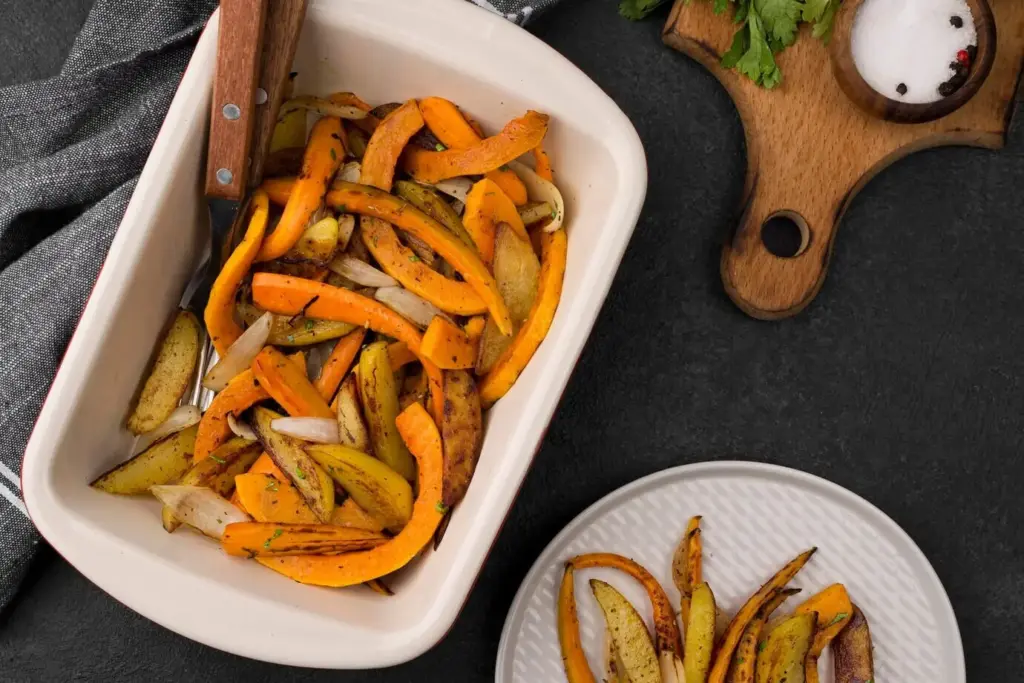
Thicken soups with blended white beans or cauliflower instead of heavy cream. Use toasted oats or walnuts for crunch rather than oversized breadcrumb mountains. Fold in roasted squash for silky body. Small swaps preserve indulgence, stabilize portions, and prevent the leftovers that usually follow oversized, overly‑rich servings.

Transformative Uses for Yesterday’s Bits

Turn stale bread into herbed strata, leftover mash into tender gnocchi, and extra roasted vegetables into frittata fillings. Reinvent roasted chicken as comforting pot pie or noodle soup. Share your transformations, tag us with photos, and inspire neighbors to see abundance where others see scraps and unnecessary midweek takeout.

The Container Wardrobe

Assemble containers in known volumes—one cup, two cups, single‑serve, family‑serve—plus mason jars and deli tubs. Color‑code lids for lunch, freezer, and snacks. This predictable wardrobe speeds portioning, prevents random leftovers, and encourages fair shares at the table. Share your favorite brands and budget picks for others to compare.

Data and Apps That Keep You Honest

Track meals, portions, and waste in a simple app or spreadsheet. Log what you cooked, what remained, and what spoiled. Review weekly to right‑size recipes, adjust shopping quantities, and identify boredom gaps. Transparent data reduces guesswork, builds confidence, and turns comfortable habits into an enjoyable, sustainable kitchen lifestyle.

Weekly Prep Rhythm You Can Actually Maintain

Try one short prep block—wash herbs, portion snacks, roast a tray of vegetables, cook a pot of grains. Keep it friendly and finite so it sticks. Celebrate small wins in the comments. Rhythm matters more than perfection, and consistency keeps comforting meals easy, affordable, and wonderfully low‑waste.

Family Alignment Without Food Fights

Agree on sensible portions before plating, and set a try‑a‑bite culture for sides. Offer toppings bars for autonomy without excess. Praise curiosity, not clean plates. Families who co‑create norms protect leftovers, reduce tension, and preserve the cozy spirit that makes mashed potatoes, bakes, and soups feel genuinely restorative.

Neighborhood Freezer Swaps and Potluck Etiquette

Host a monthly swap where participants label ingredients, reheating instructions, and dates. Set portion guidelines to fit real households. Potlucks that prioritize use‑it‑up dishes transform extras into celebration. Share your experiences, wins, and flops so the community iterates, learns faster, and keeps delicious comfort circulating instead of spoiling.

Mindful Plate Rituals

Begin with a gratitude breath, then serve a balanced plate intentionally, not automatically. Savor first bites, assessing seasonings and fullness signals before refilling. This ritual slows the meal, deepens comfort, and naturally sizes portions. Over time, mindfulness prevents overeating and curbs accidental leftovers that often become wasted opportunities.

Measure What Matters and Celebrate Progress

Track small indicators—lighter trash bags, fewer wilted vegetables, steadier grocery costs, calmer dinners. Data gives encouragement, not judgment, and helps fine‑tune portions, planning, and storage. Share your monthly wins and challenges below; we will suggest targeted adjustments, new recipes, and cheerful nudges to keep momentum meaningful and fun.
Vimelavuvoxelari
Privacy Overview

This website uses cookies so that we can provide you with the best user experience possible. Cookie information is stored in your browser and performs functions such as recognising you when you return to our website and helping our team to understand which sections of the website you find most interesting and useful.